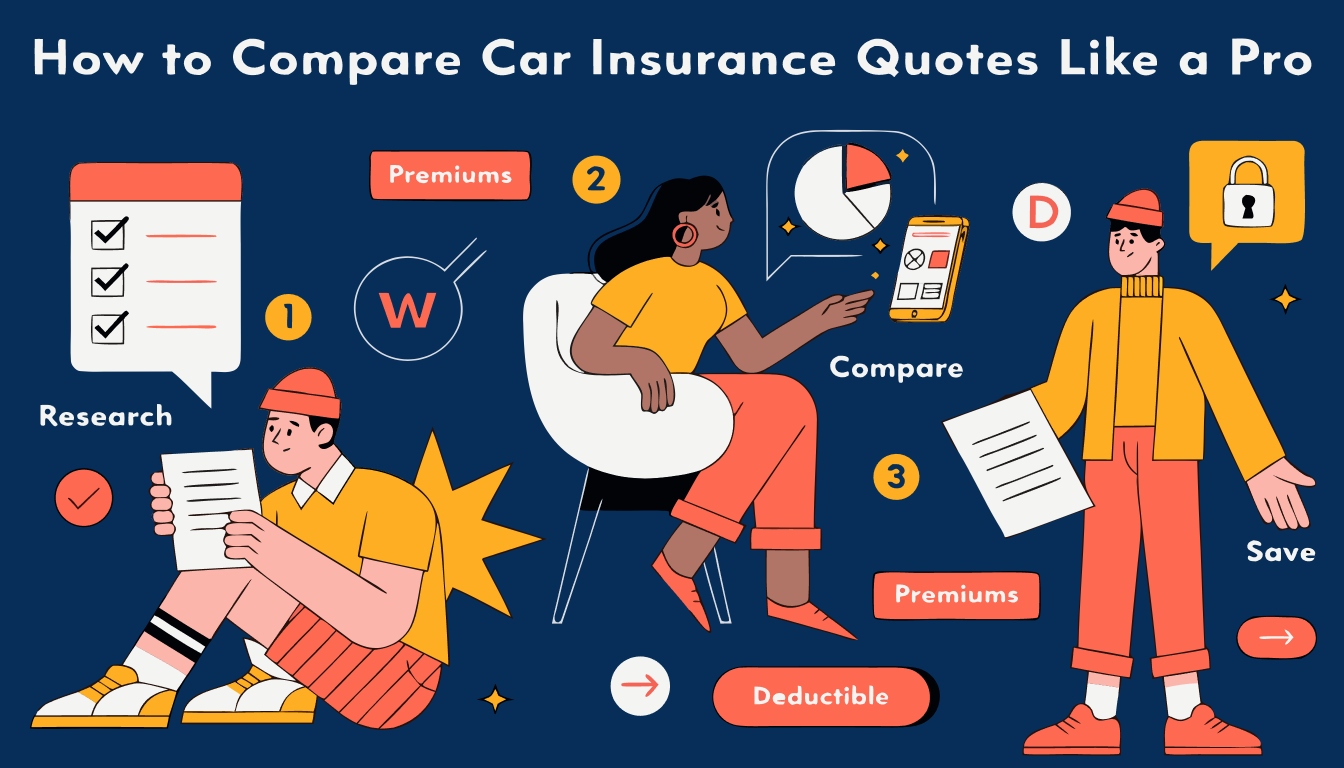
Looking for the best car insurance deal? Comparing car insurance quotes doesn’t have to be overwhelming. With the right approach, you can save hundreds—even thousands—of dollars over time. The key is knowing exactly what to look for and how to evaluate your options side by side. This guide breaks down the exact steps to compare car insurance quotes effectively, so you get maximum coverage at the lowest possible cost.
Table of Contents
- Table of Contents
- Why Comparing Car Insurance Quotes Matters
- Step-by-Step: How to Compare Car Insurance Quotes
- Gather Your Information First
- Use Multiple Sources for Quotes
- Standardize Your Coverage Levels
- Look Beyond the Premium
- Red Flags to Watch For When Comparing Quotes
- Key Takeaways
- FAQ: Comparing Car Insurance Quotes
- How many quotes should I get when comparing car insurance?
- Can I compare car insurance quotes online for free?
- Do I need to call an agent to get accurate quotes?
Why Comparing Car Insurance Quotes Matters
Insurance premiums can vary dramatically between providers—even for identical coverage. Factors like your driving record, location, vehicle type, and even your credit score influence pricing. Without comparing car insurance quotes, you risk overpaying or ending up with inadequate protection. Smart comparison ensures you’re not just getting a low price, but the right policy for your needs.
Many drivers assume all quotes are similar, but differences in deductibles, coverage limits, and exclusions can lead to costly surprises later. That’s why taking the time to compare car insurance quotes is one of the smartest financial moves you can make as a vehicle owner.
Step-by-Step: How to Compare Car Insurance Quotes
Gather Your Information First
Before requesting quotes, have your details ready. Insurers need accurate data to provide reliable estimates. Missing or incorrect info can skew results and delay the process.
- Driver’s license number and driving history
- Vehicle make, model, year, and VIN
- Current insurance policy (if applicable)
- Annual mileage and typical usage (commute, leisure, etc.)
- Desired coverage types and limits
Use Multiple Sources for Quotes
Don’t rely on just one insurer or comparison site. Get quotes from at least three to five reputable providers. Use a mix of:
- Direct insurer websites (e.g., Geico, State Farm, Progressive)
- Independent insurance agents
- Online comparison platforms (like NerdWallet, The Zebra, or Insurify)
This variety ensures you’re seeing a broad range of options and not missing out on exclusive discounts or regional offers.
Standardize Your Coverage Levels
To compare car insurance quotes fairly, keep coverage levels consistent across all quotes. For example:
- Liability: $100,000/$300,000/$50,000
- Comprehensive and collision: $500 deductible
- Uninsured/underinsured motorist coverage
- Personal injury protection (PIP) or medical payments
If one quote includes roadside assistance and another doesn’t, note the difference. Adjusting coverage mid-comparison leads to misleading results.
Look Beyond the Premium
The monthly or annual premium isn’t the only cost. Consider:
- Deductibles: Higher deductibles lower premiums but increase out-of-pocket costs during a claim.
- Discounts: Safe driver, multi-car, bundling, low mileage, and good student discounts can significantly reduce costs.
- Claims process: How easy is it to file a claim? Are there 24/7 support options?
- Customer satisfaction: Check J.D. Power or AM Best ratings for reliability and service quality.
A slightly higher premium might be worth it if the insurer offers faster claims processing or better customer support.
Red Flags to Watch For When Comparing Quotes
Not all low quotes are good deals. Be cautious of:
- Unrealistically low prices: Could indicate hidden fees, poor coverage, or a scam.
- Limited customer reviews: Lack of feedback may signal an unreliable provider.
- No physical office or local agent: Makes resolving issues harder, especially after an accident.
- Poor financial strength ratings: Check AM Best or Standard & Poor’s ratings—low scores mean the company may struggle to pay claims.
Always verify an insurer’s license with your state’s Department of Insurance before committing.
Key Takeaways
- Always compare car insurance quotes using identical coverage levels.
- Use multiple sources—direct insurers, agents, and comparison sites—for the best view of the market.
- Factor in deductibles, discounts, customer service, and claims handling—not just price.
- Watch for red flags like suspiciously low rates or poor financial ratings.
- Update your comparisons annually or after major life changes (moving, buying a new car, etc.).
FAQ: Comparing Car Insurance Quotes
How many quotes should I get when comparing car insurance?
Get at least three to five quotes from different providers. This gives you a solid range of options and helps you spot outliers—either too high or suspiciously low.
Can I compare car insurance quotes online for free?
Yes. Most insurer websites and comparison platforms offer free, no-obligation quotes. You don’t need to provide payment info until you’re ready to purchase.
Do I need to call an agent to get accurate quotes?
Not necessarily. Online tools are generally accurate if you input correct information. However, speaking with an independent agent can help clarify complex coverage needs or uncover niche discounts.
Comparing car insurance quotes is your best defense against overpaying and under-insuring. With a little effort, you can find a policy that offers strong protection, excellent service, and real savings. Start your comparison today—your wallet (and peace of mind) will thank you.